Azerbaijan's Non-Oil Sector Growth Strategies
A report on Azerbaijan's efforts to diversify its economy beyond hydrocarbons, focusing on the growth of agriculture, tourism, and transit logistics.
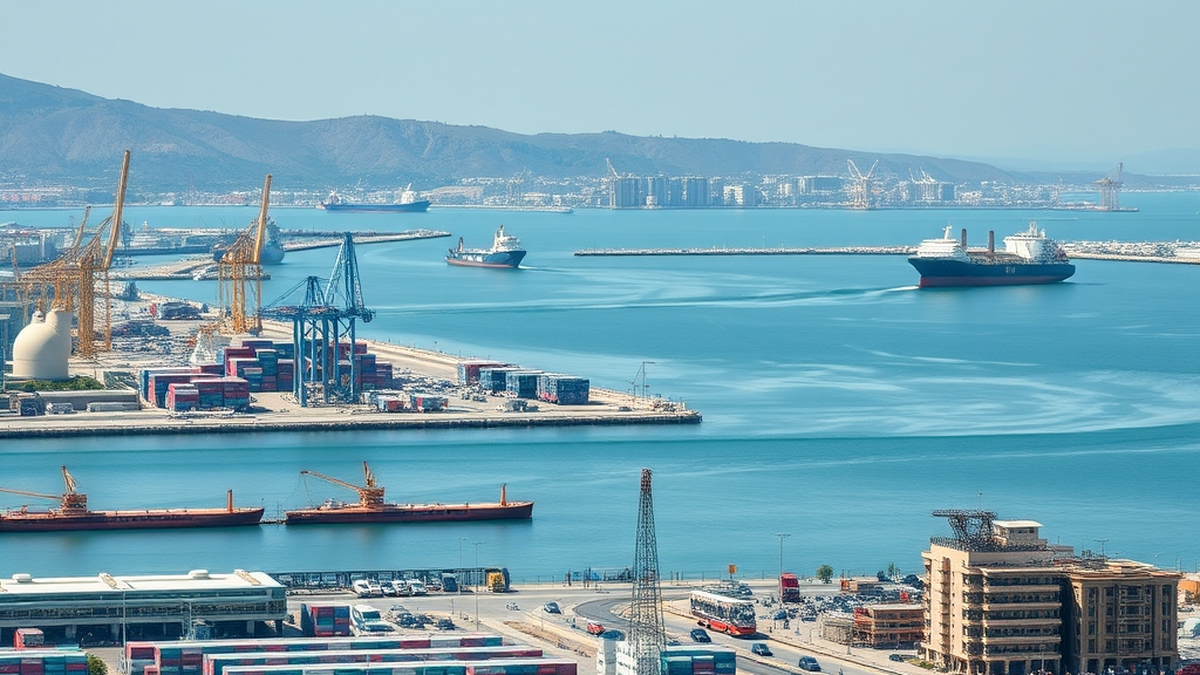
Azerbaijan’s long-term economic strategy to reduce its reliance on hydrocarbons has reached a significant milestone by mid-2026, with the non-oil sector contributing a growing share of the national GDP. Through a combination of targeted industrial policies, investments in logistics infrastructure, and the promotion of specialized economic zones, the country is successfully diversifying its economic base. The expansion of the agricultural sector, the revitalization of the tourism industry, and the development of Azerbaijan as a central node in the Middle Corridor transit route are the primary drivers of this non-oil growth. This transformation is aimed at ensuring sustainable development and creating a more resilient economic future for the Azerbaijani people.
The Expansion of the Middle Corridor Transit Route
Azerbaijan’s strategic location between Europe and Asia is being leveraged to transform the country into a primary transit and logistics hub. By 2026, the ‘Middle Corridor’ (the Trans-Caspian International Transport Route) has seen a substantial increase in cargo volumes, as international shippers seek alternatives to traditional northern routes. The modernization of the Port of Baku at Alat and the expansion of the Baku-Tbilisi-Kars (BTK) railway have significantly improved the efficiency of transit logistics. Azerbaijan is investing in ‘smart’ port technologies and specialized logistics zones to provide a range of value-added services, including warehousing, distribution, and assembly. This role as a transit bridge is providing a vital source of non-oil revenue and is fostering regional economic integration.
Modernizing the Agricultural Sector for Export
Agriculture remains a central pillar of Azerbaijan’s non-oil economy, and its modernization is a key government priority. By mid-2026, significant progress has been made in the development of specialized ‘agro-parks’ and the adoption of modern farming technologies. The government is providing subsidies and low-cost financing for the installation of high-efficiency irrigation systems and the use of specialized seed varieties. This focus on productivity is aimed at increasing the export of high-value agricultural products, including fruits, vegetables, and cotton, to markets in Russia, the European Union, and the Middle East. Improving the quality and traceability of Azerbaijani agricultural products is essential for securing market access and for protecting the long-term value of exports.
Industrial Diversification and Specialized Economic Zones
To drive industrial growth beyond the energy sector, Azerbaijan is promoting the development of specialized economic and industrial zones. By 2026, the Sumgait Chemical Industrial Park and the various industrial zones in the liberated territories have attracted significant foreign and domestic investment. These zones offer investors a range of tax incentives, simplified customs procedures, and ready-to-use infrastructure. The focus is on attracting industries that can utilize Azerbaijan’s local raw materials and provide high-quality components for regional markets. Thriving sectors include chemical production, construction materials, and light manufacturing. These industrial clusters are providing thousands of jobs and are contributing to the overall technical modernization of the Azerbaijani economy.
The Revitalization of the Tourism Industry
Azerbaijan’s diverse cultural heritage and natural beauty are being leveraged to revitalize its tourism industry. By mid-2026, the country has seen a significant increase in international visitors, driven by a series of successful international events and a proactive global marketing campaign. The development of specialized tourism infrastructure, including high-quality hotels and the modernization of regional airports, has improved the country’s accessibility. The focus is on promoting Azerbaijan as a destination for cultural, medical, and adventure tourism. The government is also simplifying its visa procedures and encouraging the development of ‘smart’ tourism services. The growth of the tourism sector is providing a significant boost to the services economy and is creating new opportunities for local SMEs.
Financial Sector Reform and SME Support
The success of Azerbaijan’s non-oil diversification depends on a robust and competitive financial sector. By 2026, the government has implemented several reforms aimed at improving the efficiency of the banking system and enhancing the availability of credit for small and medium-sized enterprises (SMEs). The development of the domestic capital market and the promotion of digital banking services are essential for providing the financing required for non-oil projects. Furthermore, the government is providing targeted support for SMEs through various state funds and guarantee programs. These efforts are aimed at fostering a dynamic and innovative private sector that can drive long-term non-oil growth and contribute to the country’s economic resilience.
Azerbaijan’s progress in diversifying its economy represents a successful model of how a resource-rich nation can manage the transition to a more sustainable and market-oriented growth. As the country continues to invest in logistics, agriculture, and industry, its role as a regional economic leader is being secured. Emerging Markets Economy will continue to track the policy and production trends that define the future of Azerbaijan’s non-oil sector.