Brazil's Global Soybean Dominance: Logistics and Export Trends
An examination of Brazil's 2026 soybean harvest and the critical infrastructure projects aimed at maintaining its status as the world's leading exporter.
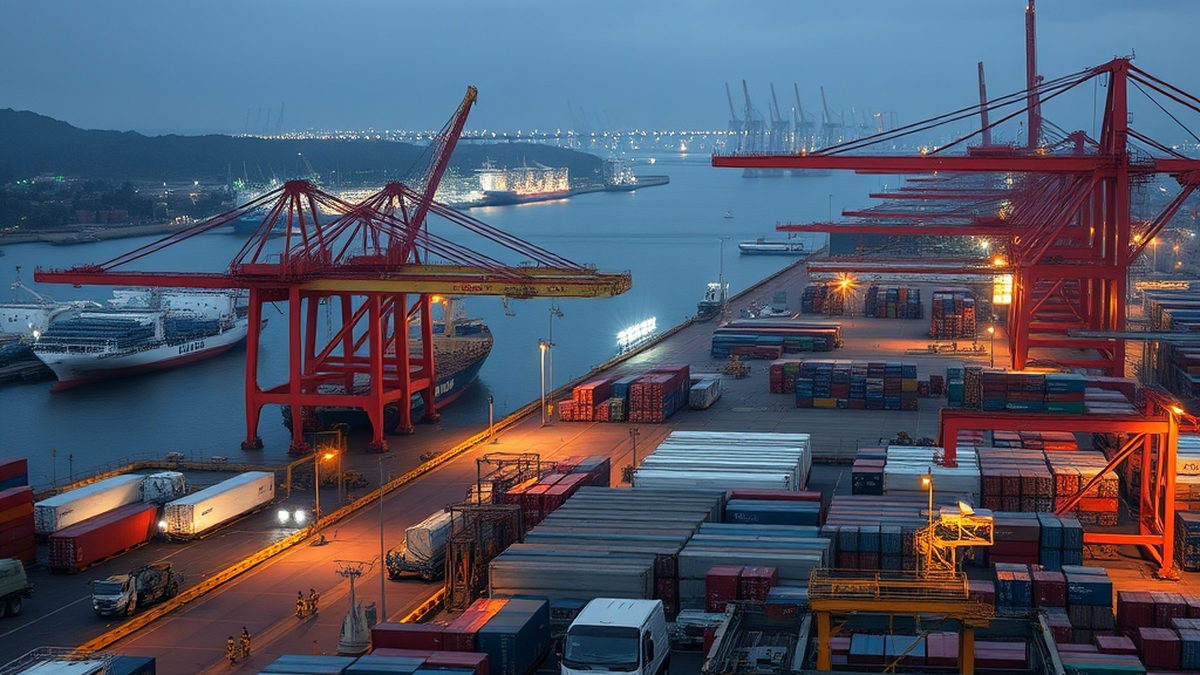
Brazil’s status as the world’s preeminent soybean exporter has been further solidified in 2026, following a series of record-breaking harvests and significant advancements in agricultural logistics. The nation now accounts for over half of the global soybean trade, a position achieved through the expansion of cultivation in the Cerrado region and a sustained focus on yield-improving technologies. However, the continued growth of the sector is increasingly dependent on the completion of large-scale infrastructure projects designed to lower transport costs and improve the efficiency of the ‘Arc of the North’ ports. As global demand for protein and biofuels remains robust, the Brazilian soybean industry stands at the center of the global food security and energy transition landscape.
Expansion and Productivity in the Cerrado
The vast Cerrado savannah remains the heart of Brazil’s soybean expansion. Through the application of precision agriculture, soil management techniques, and the development of climate-resilient seed varieties, Brazilian farmers have achieved yield increases that outpace many of their international competitors. In 2026, the integration of digital tools for monitoring crop health and optimizing fertilizer use has become standard practice among large-scale producers. This technology-driven productivity allows Brazil to increase output without a proportional increase in land use, a critical factor given the growing international pressure regarding environmental conservation. The sector’s ability to adapt to shifting weather patterns, driven by localized climate change, has also been enhanced by investments in irrigation and more sophisticated meteorological forecasting.
The ‘Arc of the North’ and Logistics Modernization
A defining feature of the Brazilian soybean industry in 2026 is the successful shift of export volumes toward the northern ports, known as the ‘Arc of the North.’ Traditionally, the majority of Brazil’s soy was exported through the congested ports of Santos and Paranaguá in the south. The development of port terminals along the Amazon and Tocantins rivers, supported by the paving of key highways like the BR-163, has drastically reduced the distance and cost of transporting grain from the central-west producing regions. These northern corridors now handle a significant portion of Brazil’s total exports, providing a faster and more economical route to markets in Europe and China. Ongoing investments in railway projects, such as the Ferrogrão, are expected to further enhance this logistics network, although they continue to face complex regulatory and environmental challenges.
Global Demand Dynamics: China and Beyond
China remains the primary destination for Brazilian soybeans, driven by the needs of its massive livestock industry and an increasing demand for soy oil. By 2026, Brazil has deepened its trade relationship with Beijing through long-term supply agreements and investments by Chinese state-owned enterprises in Brazilian logistics infrastructure. However, Brazil is also actively diversifying its export markets. Growing demand from Southeast Asian nations and the expansion of the domestic biodiesel industry are providing new avenues for growth. The mandate for higher biodiesel blends in the Brazilian fuel matrix has created a consistent ‘floor’ for domestic demand, insulating farmers from some of the volatility of the international market. This dual focus on international exports and domestic value-addition is a key pillar of the sector’s long-term stability.
Sustainability and Traceability Requirements
The Brazilian soybean industry is operating in an environment of increasingly stringent international sustainability standards. By 2026, major importers, particularly in the European Union, require comprehensive traceability to ensure that soybeans are not sourced from recently deforested land. In response, Brazilian trade associations and government agencies have developed sophisticated satellite monitoring systems and digital certification platforms. These ‘green’ credentials have become a competitive necessity rather than an optional feature. While meeting these requirements adds to the administrative burden and cost for producers, it also protects Brazil’s market access and positions its products as premium in the global marketplace. The successful implementation of these traceability systems is seen as a model for other emerging market commodity exporters.
Financing and Capital Investment
The capital-intensive nature of modern soybean production and logistics requires a robust financial ecosystem. In 2026, the Brazilian agricultural sector is increasingly tapping into international capital markets through ‘green bonds’ and other sustainability-linked financing instruments. Domestic credit, traditionally provided by state-owned banks, is being supplemented by private equity and financing from major international grain traders. These investments are directed not only toward land and machinery but also toward the construction of modern storage facilities and processing plants. The ability to store grain on-farm or at local hubs allows farmers to better manage the timing of their sales, avoiding the price depressions that often occur during peak harvest periods. This financial sophistication is a hallmark of the matured Brazilian agribusiness sector.
Brazil’s dominance in the global soybean market is the result of a coordinated effort to combine natural advantages with technological innovation and logistics reform. As the nation navigates the complexities of global trade and environmental requirements, the soybean sector remains a vital engine of its national economy. Emerging Markets Economy will continue to report on the infrastructure and policy developments that shape Brazil’s role as a global agricultural powerhouse.