Chile's Green Hydrogen Targets: Renewable Energy Infrastructure
An examination of Chile's ambitious targets for green hydrogen production and the large-scale wind and solar projects driving the country's energy transition.
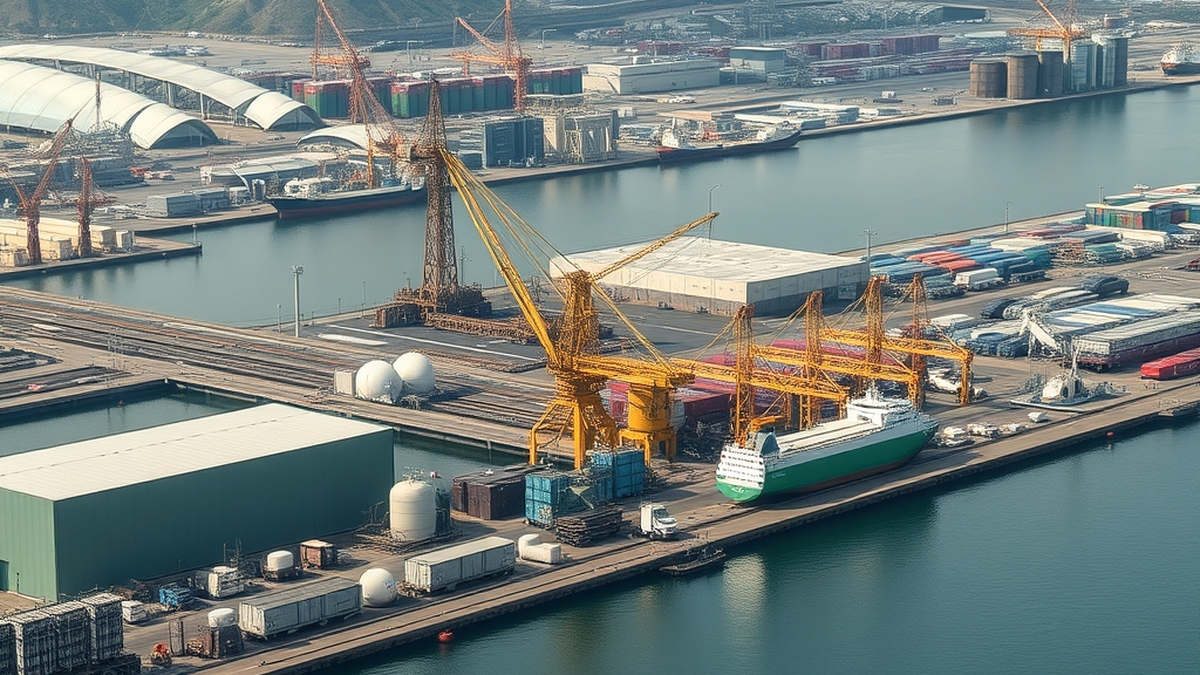
Chile has established itself as a global pioneer in the green hydrogen economy by mid-2026, leveraging its world-class renewable energy resources to target large-scale production and export. With the highest solar radiation in the north and some of the world’s most consistent wind speeds in the south, Chile is uniquely positioned to produce green hydrogen at a cost that is competitive with fossil fuels. The Chilean government’s ‘National Green Hydrogen Strategy’ has moved into a critical implementation phase, with several utility-scale projects reaching commercial operation. This transition is not only a key component of Chile’s own decarbonization goals but is also positioning the country as a primary energy partner for industrial nations in Europe and Asia seeking to secure their clean energy supply chains.
The Winds of Magallanes: Large-Scale Wind Projects
The Magallanes region in southern Chile has become the heart of the country’s wind-to-hydrogen industry. By 2026, massive wind farms have been constructed across the windswept plains, providing a steady and high-capacity power source for large-scale electrolyzers. The strategic location of Magallanes, with its access to deep-water ports, allows for the efficient conversion of hydrogen into green ammonia or synthetic fuels for export. Several international consortia, involving energy firms from Germany, Japan, and the United States, have established a significant presence in the region. These projects are the largest of their kind in the world, demonstrating the viability of utility-scale green hydrogen production in extreme environments.
Solar Dominance in the Atacama Desert
In northern Chile, the Atacama Desert is serving as a massive solar-to-hydrogen hub. By mid-2026, the expansion of photovoltaic (PV) and concentrated solar power (CSP) capacity has reached unprecedented levels. This solar energy is being used to power electrolyzers for the production of green hydrogen, primarily for use in Chile’s massive mining sector. The transition of the mining industry—particularly copper and lithium production—away from fossil fuels and toward green hydrogen is essential for meeting the sustainability requirements of global manufacturers. The integration of solar-powered hydrogen production into the mining value chain is a powerful example of how Chile is leveraging its natural advantages to create a more sustainable and high-value industrial base.
Port Infrastructure and Export Logistics
The success of Chile’s green hydrogen strategy depends on the development of world-class export infrastructure. By 2026, significant investments have been made to modernize and expand the ports of Punta Arenas and Mejillones, including the construction of specialized terminals for the storage and loading of green ammonia and liquid hydrogen. These projects are being supported by the development of dedicated pipelines and transport networks connecting the production hubs with the maritime gateways. Chile is also working to establish ‘green shipping corridors’ with its primary trade partners, aimed at reducing the carbon footprint of the entire energy export chain. These infrastructure advancements are essential for ensuring that Chilean green hydrogen can be delivered safely and economically to global markets.
Regulatory Framework and International Cooperation
The Chilean government has implemented a comprehensive regulatory framework to provide the long-term certainty required for multi-billion dollar energy investments. By mid-2026, clear guidelines for the licensing, safety, and environmental standards of green hydrogen projects have been established. Chile is also a leader in international energy diplomacy, having signed numerous bilateral and multilateral agreements for the cooperation on green hydrogen technology and trade. These partnerships, particularly with the European Union and Japan, involve joint R&D, pilot projects, and the harmonization of certification standards. This proactive approach to international cooperation is helping Chile to secure its role as a preferred supplier in the emerging global green energy market.
Impact on National Development and the Economy
The green hydrogen industry is expected to become as significant to Chile’s economy as the mining sector over the long term. By 2026, the initial projects are already generating significant investment, high-quality jobs, and new opportunities for domestic technology firms. The industry is also driving a broader urban and industrial transformation in the regions of Magallanes and Antofagasta. However, managing the social and environmental impacts of such massive infrastructure projects remains a critical challenge. The government is working to ensure that the benefits of the green hydrogen boom are shared with local communities and that the development of the sector is consistent with Chile’s high environmental standards.
Chile’s ambitious green hydrogen targets represent a bold bet on the future of the global energy transition. By leveraging its natural advantages and building a robust infrastructure and regulatory framework, the country is positioning itself as a leading energy powerhouse of the 21st century. Emerging Markets Economy will continue to track the project and policy developments that define Chile’s trajectory as a global green hydrogen leader.