Egypt's Suez Canal Economic Zone: Strategic Infrastructure Updates
A 2026 update on the Suez Canal Economic Zone's expansion, focusing on green hydrogen clusters and port modernization.
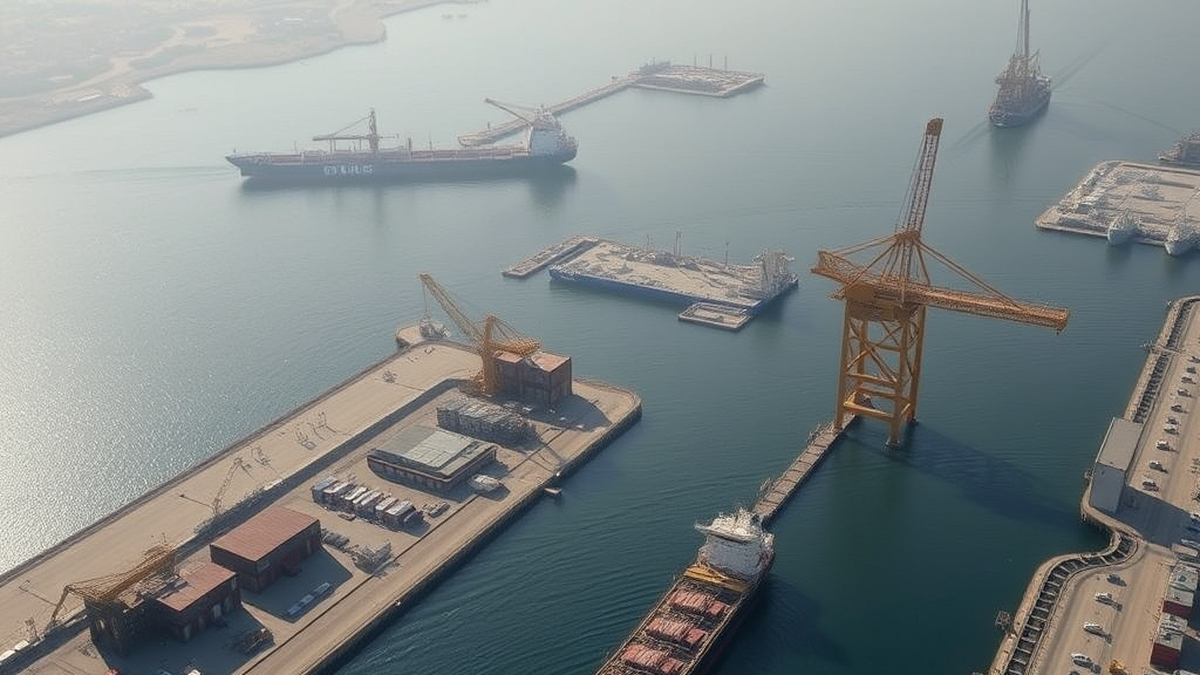
The Suez Canal Economic Zone (SCZONE) has undergone a significant transformation by mid-2026, evolving from a traditional transit-oriented corridor into a diversified industrial and logistics powerhouse. Strategically located at the intersection of global trade routes, the SCZONE is leveraging its geographic advantage to attract multi-billion dollar investments in green energy, automotive assembly, and advanced logistics. The Egyptian government’s focus on providing a ‘one-stop shop’ for investors and the rapid build-out of world-class infrastructure are proving successful in positioning the zone as a primary hub for firms seeking to serve markets in Europe, Africa, and the Middle East.
The Rise of Green Hydrogen Clusters
A defining feature of the SCZONE in 2026 is its emergence as a global center for green hydrogen and ammonia production. Egypt’s abundant solar and wind resources, combined with the zone’s proximity to major maritime lanes, have made it an ideal location for utility-scale green energy projects. Several international consortia have begun operations, producing green fuel for the shipping industry and for export to Europe. The development of dedicated terminals and storage facilities within the SCZONE allows for the efficient bunkering of green-powered vessels, a service that is in increasing demand as the global maritime sector seeks to decarbonize. These projects are not only driving export growth but are also fostering a local ecosystem of electrolyzer manufacturers and renewable energy suppliers.
Port Modernization and Logistics Integration
The SCZONE’s competitiveness is underpinned by the continuous modernization of its key ports, including East Port Said and Sokhna Port. By 2026, the expansion of container terminal capacity and the implementation of automated handling systems have significantly improved the throughput and efficiency of these ports. The integration of the SCZONE with the new high-speed rail network and the expansion of the national highway system have created a seamless logistics corridor connecting the Red Sea and the Mediterranean. This multimodal connectivity allows for the rapid movement of goods between the zone’s industrial clusters and domestic and international markets. The development of ‘dry ports’ and specialized logistics hubs further enhances the SCZONE’s role as a vital node in the global supply chain.
Industrial Diversification and Manufacturing Hubs
Beyond energy and logistics, the SCZONE is successfully attracting a wide range of manufacturing industries. The automotive sector, in particular, has seen significant growth, with several global manufacturers establishing assembly plants within the zone to take advantage of Egypt’s competitive labor costs and free trade agreements. Other thriving sectors include chemicals, pharmaceuticals, and textile manufacturing. The SCZONE’s industrial parks provide investors with ready-to-use infrastructure, including reliable power, water, and waste management services. The government’s provision of tax incentives and customs exemptions for firms operating within the zone has been a key factor in attracting foreign direct investment, particularly from China, India, and the European Union.
Regulatory Reforms and Investor Support
The Egyptian government has implemented several regulatory reforms to improve the business environment within the SCZONE. The ‘one-stop shop’ approach, which streamlines the process of obtaining licenses and permits, has significantly reduced the administrative burden for investors. By 2026, the SCZONE authority has also enhanced its digital platform, allowing for the online management of various industrial and logistics operations. Furthermore, the establishment of specialized vocational training centers within the zone ensures a steady supply of skilled labor for the tenant firms. These efforts are aimed at creating a stable and predictable environment for long-term investment, reinforcing the SCZONE’s reputation as a world-class industrial destination.
Strategic Importance in the New Global Trade Map
The development of the SCZONE is a central pillar of Egypt’s broader economic strategy to become a regional leader in trade and industry. By mid-2026, the zone’s success is also contributing to the stability and growth of the national economy, providing thousands of high-quality jobs and generating significant foreign exchange revenue. In the context of the ‘New Silk Road’ and the reorganization of global supply chains, the SCZONE serves as a critical bridge between East and West. The zone’s ability to offer a combination of strategic location, modern infrastructure, and a favorable regulatory environment ensures that it will remain a central component of the global trade map for the foreseeable future.
Egypt’s SCZONE represents a successful model of how strategic infrastructure investment can drive industrial diversification and economic growth. As the zone continues to expand and attract new sectors, its impact on the regional and global economy will only increase. Emerging Markets Economy will continue to track the strategic developments within the SCZONE as Egypt reinforces its role as a global logistics and industrial hub.