Indonesia's Downstreaming Policy: Nickel and Cobalt Value Chains
An analysis of Indonesia's ban on raw ore exports and its success in attracting billions in investment for domestic battery grade processing.
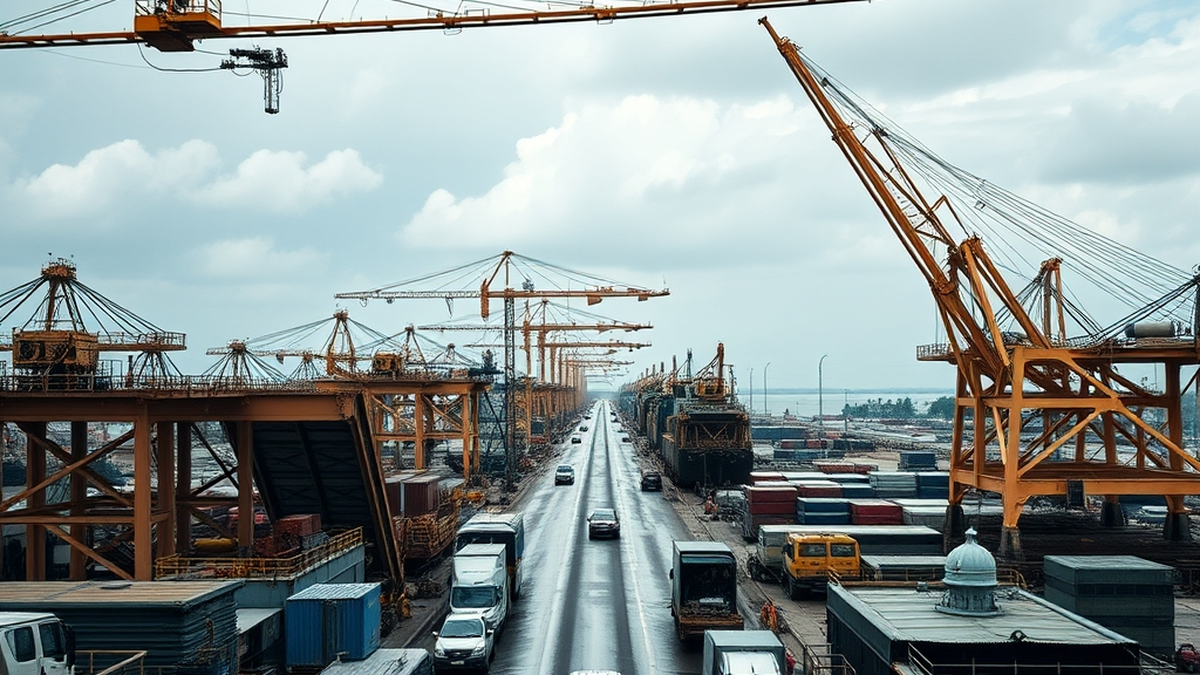
Indonesia’s bold industrial strategy of ‘downstreaming’ its vast mineral wealth has reached a critical stage of maturity by mid-2026. By banning the export of raw ores—most notably nickel—and mandating domestic processing, the government has successfully forced a multi-billion dollar shift in global supply chains. Indonesia is no longer merely a supplier of raw materials but has emerged as a central hub for the production of stainless steel and, increasingly, battery-grade nickel for the global electric vehicle (EV) market. This policy, while controversial in international trade forums, has transformed the country’s industrial landscape and attracted massive capital inflows, particularly from Chinese and South Korean investors.
The Success of the Nickel Ban
The ban on raw nickel ore exports, first implemented in its current form in 2020, has been the primary catalyst for Indonesia’s industrial transformation. In the six years since, the country has seen the construction of dozens of smelting facilities, primarily on the islands of Sulawesi and Halmahera. By 2026, Indonesia has surpassed many of its competitors to become the world’s largest producer of nickel-based products. The transition from exporting ore to exporting ferronickel and nickel pig iron has significantly increased the value of Indonesia’s exports and provided a substantial boost to the national treasury. This success has encouraged the government to extend similar ‘downstreaming’ requirements to other minerals, including bauxite, copper, and tin, as part of a broader strategy to maximize the domestic value of its natural resources.
Developing the EV Battery Ecosystem
The ultimate goal of Indonesia’s downstreaming policy is to move beyond basic smelting and establish a complete end-to-end ecosystem for electric vehicle batteries. By 2026, several high-pressure acid leach (HPAL) plants have begun operations, capable of processing low-grade nickel ore into the mixed hydroxide precipitate (MHP) required for battery precursors. Major global players in the automotive and battery sectors have established joint ventures with Indonesian firms to secure their supply of these critical materials. The development of integrated industrial parks that combine mining, processing, and component manufacturing is a key feature of this strategy. While the full-scale production of finished battery cells is still in its early stages, the foundational infrastructure and supply chain links are firmly in place.
Foreign Investment and Geopolitical Dynamics
The massive capital requirements for Indonesia’s industrial transformation have been largely met by foreign direct investment, with Chinese firms playing a dominant role. This influx of Chinese capital and technology has been instrumental in the rapid build-out of the smelting industry. However, by 2026, the Indonesian government is actively seeking to diversify its investment base to include more North American and European firms. The ‘Green Nickel’ initiative, which aims to improve the environmental and social standards of Indonesian mining and processing, is a central part of this effort. Attracting Western investors is seen as crucial for ensuring that Indonesian nickel can qualify for the incentives provided by the U.S. Inflation Reduction Act and meet the sustainability requirements of the European market.
Environmental and Social Challenges
The rapid expansion of the mining and smelting sectors has brought significant environmental and social challenges to the fore. In 2026, the environmental impact of nickel mining—including deforestation, water pollution, and the management of hazardous waste—is under intense scrutiny from both domestic and international organizations. The social impacts on local communities, including land disputes and labor conditions in the industrial parks, also remain contentious issues. The government has responded by tightening environmental regulations and increasing oversight of mining operations, but the scale of the industrial boom makes enforcement a complex task. Balancing the economic benefits of downstreaming with the need for environmental protection and social justice is a critical challenge that will define the long-term sustainability of Indonesia’s mineral policy.
Impact on Global Commodity Markets
Indonesia’s downstreaming policy has had a profound impact on global commodity markets and trade relations. The withdrawal of Indonesian raw ore from the international market caused significant price volatility and forced other major producers and consumers to adjust their strategies. In 2026, the dominance of Indonesian refined nickel products has altered the competitive dynamics of the global stainless steel and battery industries. The European Union’s challenge to Indonesia’s export ban at the World Trade Organization (WTO) highlights the tensions between national industrial policies and global trade rules. Indonesia’s success is being closely watched by other resource-rich emerging markets, who are considering similar strategies to increase the domestic value of their mineral wealth, potentially leading to a more fragmented and policy-driven global commodity market.
Indonesia’s downstreaming policy represents a decisive break from the traditional commodity-exporter model. By leveraging its mineral wealth to build a domestic industrial base, the country is positioning itself as a key player in the 21st-century technology supply chain. Emerging Markets Economy will continue to track the successes and challenges of this strategy as Indonesia navigates the complexities of global trade, investment, and sustainability.