Mexico's Nearshoring Boom: Automotive Sector Growth Analysis
An examination of the massive capital inflows into Mexico's automotive manufacturing hubs as North American supply chains re-center.
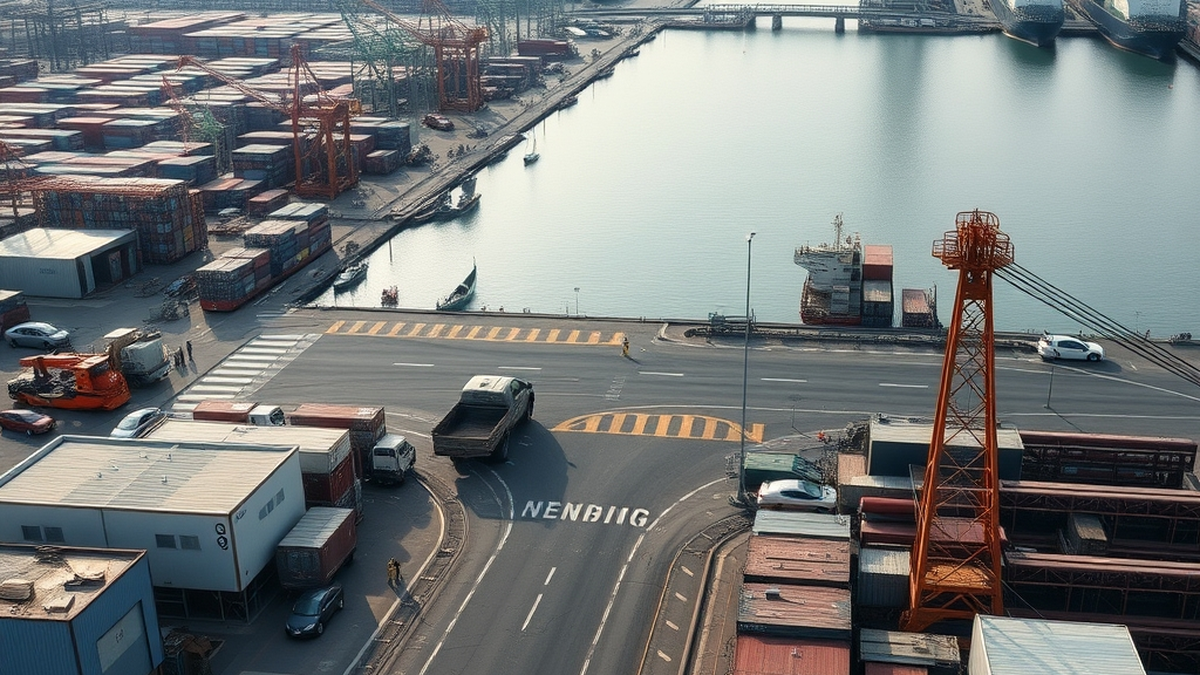
Mexico’s manufacturing sector is experiencing an unprecedented boom as the global trend of ‘nearshoring’ reaches a peak in mid-2026. As North American corporations prioritize supply chain resilience and proximity to the United States market, Mexico has emerged as the primary beneficiary of relocated production from Asia. This massive influx of capital is particularly evident in the automotive industry, which has seen the construction of new assembly plants and the expansion of existing facilities across the northern and central states. While this trend provides a significant boost to GDP and employment, it is also putting immense pressure on Mexico’s energy, water, and transport infrastructure, highlighting the need for sustained public and private investment.
The Re-centering of Automotive Supply Chains
The automotive sector remains the crown jewel of Mexico’s industrial base, and its expansion in 2026 is driven by the shift toward electric vehicles (EVs). Global automakers have committed billions of dollars to convert their Mexican facilities for EV production, attracted by the country’s skilled workforce and the incentives provided by the United States-Mexico-Canada Agreement (USMCA). Tesla’s Gigafactory in Nuevo León, along with new investments from traditional giants like BMW and General Motors, has created a massive demand for localized components. This is fostering the growth of a sophisticated ‘Tier 2’ and ‘Tier 3’ supply chain, with manufacturers of batteries, electric motors, and specialized electronics establishing a significant presence in the country. Mexico is now firmly established as the central production hub for the North American EV market.
The Expansion of Industrial Real Estate
The nearshoring boom has triggered an intense demand for industrial real estate, leading to the development of massive new industrial parks in cities like Monterrey, Juárez, and Querétaro. By mid-2026, vacancy rates in these strategic locations are at historic lows, driving up rents and encouraging developers to push into new regions. These parks are no longer just warehouses but are highly integrated ecosystems that provide advanced logistics, high-speed connectivity, and increasingly, on-site renewable energy. The ‘Bajío’ region, in particular, has seen a diversification of its industrial base, with a growing number of aerospace and medical device manufacturers setting up operations alongside the automotive firms. This regional expansion is helping to distribute the benefits of nearshoring more broadly across the Mexican economy.
Infrastructure Constraints: Energy and Water
Despite the economic benefits, the rapid pace of industrialization is exposing significant constraints in Mexico’s infrastructure. By 2026, the reliable supply of electricity and water has become the most critical concern for manufacturers. The demand for clean energy is particularly acute, as multinational corporations strive to meet their global sustainability targets. While there have been significant private investments in solar and wind projects, the regulatory environment for the energy sector remains a point of contention. Similarly, water scarcity in northern Mexico is forcing both the government and the private sector to invest in desalination plants and more efficient water management systems. Addressing these ‘utility bottlenecks’ is essential to ensure the long-term viability of the nearshoring trend.
Logistics and the Modernization of Border Crossings
The efficiency of the border with the United States is the lifeblood of Mexico’s export-oriented economy. In 2026, significant investments are being made to modernize border crossings and improve the integration of railway and highway networks. The expansion of ‘customs pre-clearance’ programs and the implementation of digital tracking technologies have helped to reduce wait times at the busiest ports of entry. Furthermore, the development of the Interoceanic Corridor across the Isthmus of Tehuantepec is providing a new alternative to the Panama Canal, potentially transforming the logistics landscape of southern Mexico. These improvements in connectivity are crucial for maintaining Mexico’s competitive advantage in a world where speed-to-market is increasingly important.
Labor Market Dynamics and Skill Requirements
The nearshoring boom is also transforming Mexico’s labor market, increasing the demand for highly skilled technicians and engineers. By 2026, the ‘labor shortage’ in key industrial hubs has led to significant wage growth and an intense competition for talent. To address this, there is a growing collaboration between the private sector and educational institutions to align vocational training with the needs of the automotive and aerospace industries. Programs focused on automation, data analytics, and green technologies are being prioritized. While the availability of a young and relatively low-cost workforce remains a strength, the focus is increasingly shifting toward productivity and technical expertise, ensuring that Mexico can continue to move up the value chain.
Mexico’s role as the manufacturing heart of North America is being solidified by the nearshoring trend of 2026. While the country must navigate significant infrastructure and regulatory challenges, the scale of the capital influx represents a generational opportunity for economic development. Emerging Markets Economy will continue to analyze the industrial and policy shifts that define Mexico’s trajectory in the global supply chain.