Pakistan's Agricultural Modernization: Irrigation and Technology
A 2026 update on Pakistan's efforts to modernize its agricultural sector through improved irrigation systems and the adoption of precision farming.
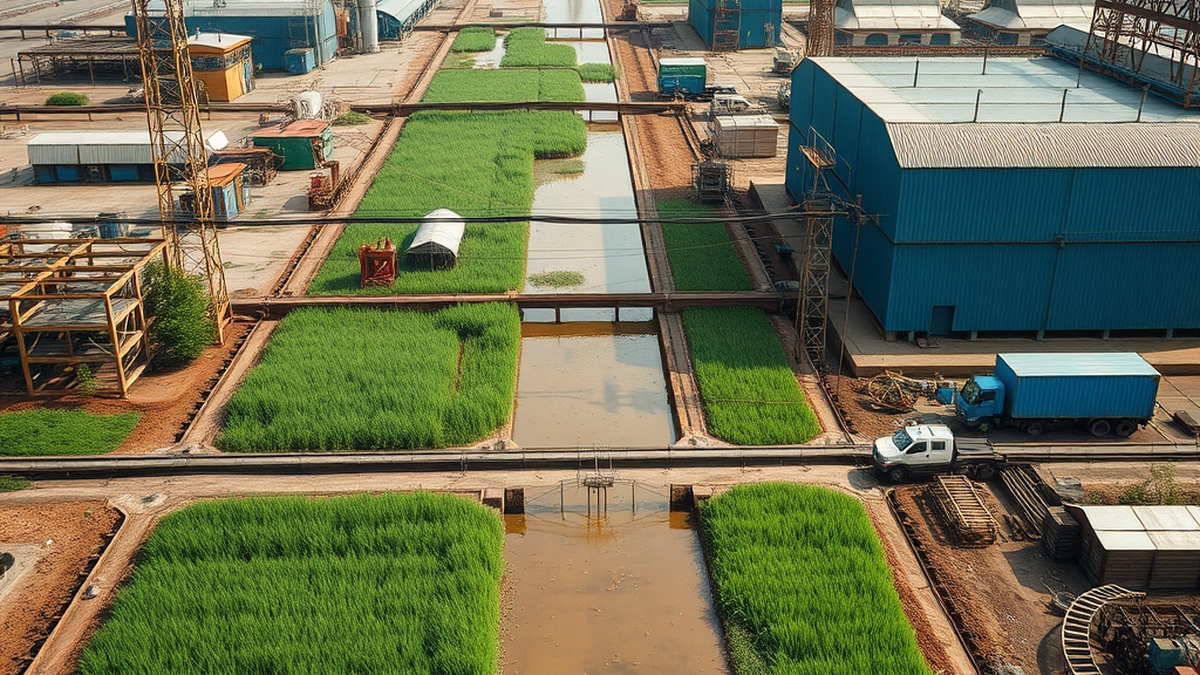
Pakistan’s agricultural sector, the backbone of its national economy, is undergoing a period of significant modernization and reform by mid-2026. Faced with the dual challenges of water scarcity and the need for increased food security, the government and the private sector are prioritizing the development of modern irrigation systems and the adoption of precision farming technologies. Through a combination of large-scale infrastructure projects, such as the digitization of the canal network, and the provision of incentives for technical adoption by smallholder farmers, Pakistan is successfully improving its agricultural productivity. This modernization is not only a source of domestic stability but is also positioning Pakistan to become a more competitive player in the global agricultural market.
The Digitization of the Canal Irrigation System
Pakistan operates one of the world’s largest contiguous irrigation systems, which is the lifeblood of its agricultural production. By 2026, a massive project to digitize and modernize the canal network has reached a significant implementation phase. This involves the installation of automated sensors and gates to monitor and control water flow in real-time, significantly reducing water theft and improving the efficiency of water distribution. The use of satellite imagery and data analytics allows for a more accurate assessment of water requirements and the better management of the seasonal fluctuations in water supply. This modernization is essential for ensuring that water is delivered fairly and efficiently to the millions of acres of farmland that depend on it.
Promoting Precision Farming and High-Efficiency Irrigation
Beyond the canal network, Pakistan is aggressively promoting the adoption of high-efficiency irrigation systems (HEIS), such as drip and sprinkler irrigation, at the farm level. By mid-2026, the government is providing significant subsidies and technical assistance for farmers to transition away from traditional flood irrigation, which is highly wasteful. Simultaneously, the adoption of precision farming tools—including laser land leveling, digital soil mapping, and the use of drones for crop monitoring—is becoming widespread among progressive farmers. These technologies allow for the optimized use of water, fertilizers, and pesticides, leading to significant yield increases and a reduction in production costs. Managing this technical transition among smallholder farmers is a key challenge for the agricultural sector.
Developing Climate-Resilient Seed Varieties
The development and adoption of climate-resilient seed varieties are central to Pakistan’s agricultural strategy. By 2026, Pakistani research institutions, in collaboration with international partners, have developed new varieties of wheat, cotton, and rice that are optimized for the country’s increasingly volatile climate, including higher temperatures and shifting rainfall patterns. These seeds are also designed to be more resistant to localized pests and diseases. The government is working to improve the seed certification and distribution system to ensure that these high-quality seeds are available to all farmers. The focus on ‘seed sovereignty’ and the development of local breeding programs is essential for ensuring the long-term resilience and productivity of the agricultural sector.
Improving Market Access and Cold Chain Infrastructure
To handle the increased output and to reduce post-harvest losses, Pakistan is investing heavily in the modernization of its agricultural market and logistics infrastructure. By mid-2026, significant progress has been made in the development of a national ‘cold chain’ network, including modern storage facilities and refrigerated transport. This allows for the efficient storage and movement of perishable goods, such as fruits and vegetables, and facilitates their export to regional and international markets. The government is also encouraging the development of digital platforms that connect farmers directly with buyers, aimed at improving price transparency and reducing the influence of middlemen. These infrastructure improvements are essential for increasing the income of farmers and for the overall stability of the agricultural economy.
Policy Reforms and the ‘Green Pakistan’ Initiative
Pakistan’s agricultural modernization is being supported by a comprehensive set of policy reforms and the ‘Green Pakistan’ initiative. By 2026, the government has implemented measures to improve the availability of agricultural credit, particularly for smallholder farmers, and to provide greater policy certainty regarding support prices and import/export regulations. The ‘Green Pakistan’ initiative also emphasizes the need for sustainable land management, reforestation, and the adoption of regenerative farming practices to maintain long-term soil health. This holistic approach to agricultural development is aimed at creating a more resilient, productive, and sustainable sector that can meet the needs of Pakistan’s growing population and contribute to national economic growth.
Pakistan’s agricultural modernization represents a successful example of how technology and policy reform can revitalize a traditional economic sector. As the country continues to invest in modern irrigation and precision farming, its role as a regional agricultural leader is being secured. Emerging Markets Economy will continue to track the policy and technological trends that define the future of Pakistan’s agribusiness and its contribution to global food security.