Peru's Copper Production: Supply Chains and Global Demand
A report on Peru's copper mining sector, focusing on the latest production trends and the country's efforts to maintain its status as a top global producer.
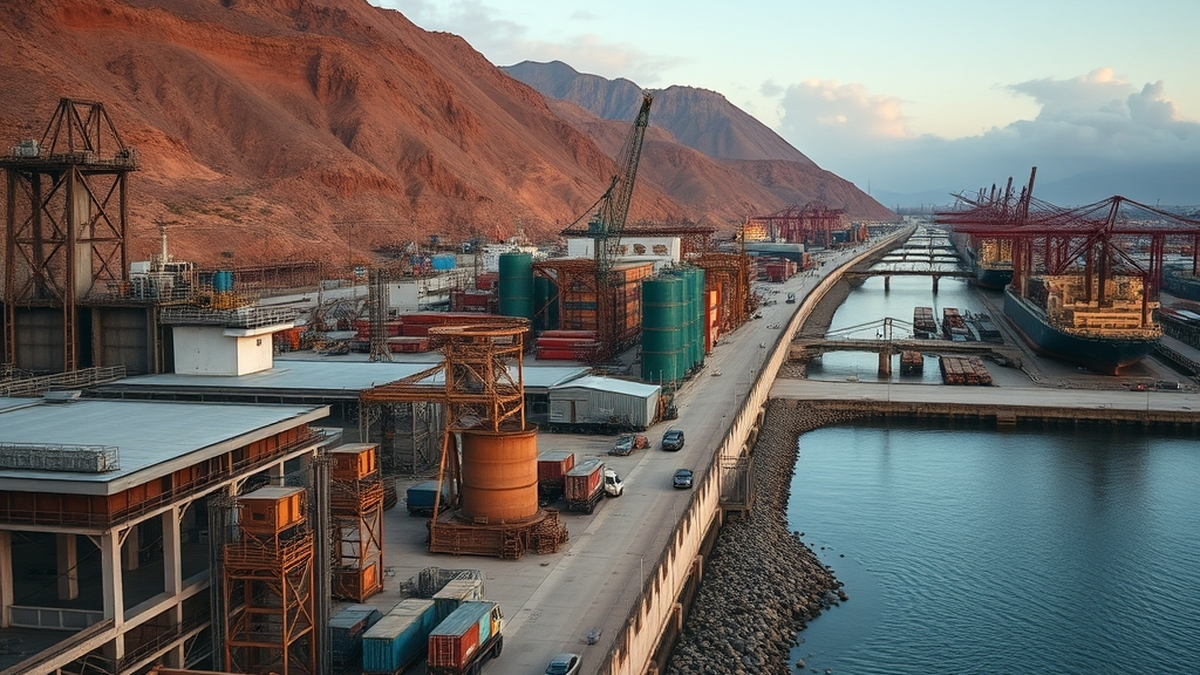
Peru’s copper mining sector, a primary engine of the national economy, is demonstrating significant resilience and growth by mid-2026. As the global demand for copper intensifies—driven by the expansion of electric vehicles, renewable energy infrastructure, and the digitalization of the economy—Peru is successfully leveraging its vast reserves to maintain its status as the world’s second-largest producer. The successful ramp-up of major new projects like Quellaveco and the continued expansion of established mines like Las Bambas and Antamina have bolstered national output. While the sector continues to face complex social and environmental challenges, the renewed focus on operational efficiency and sustainable mining practices is providing a foundation for long-term competitiveness.
The Impact of New Mega-Projects
The growth of Peru’s copper production in 2026 is largely the result of significant capital investments made over the previous decade. The Quellaveco mine, one of the world’s largest and most technologically advanced copper operations, has reached full capacity, significantly contributing to national export volumes. This project is serving as a benchmark for modern mining in Peru, utilizing automated haulage systems and advanced water management techniques. Furthermore, the expansion of existing mines and the development of medium-scale ‘brownfield’ projects are providing a steady stream of new production. These investments are essential for offsetting the natural decline in ore grades at older mines and for ensuring that Peru can meet the growing global demand.
Navigating Social Conflict and Community Engagement
The primary challenge for Peru’s copper sector remains the management of social conflict in the mining regions. By mid-2026, several major operations continue to face localized protests regarding land use, water rights, and the distribution of mining wealth. In response, both the government and the mining companies are adopting more sophisticated and proactive approaches to community engagement. The implementation of ‘Social Management Plans’ that focus on shared value and long-term regional development is becoming standard practice. Furthermore, the government is working to improve the efficiency and transparency of the ‘Canon Minero’— the mechanism through which mining taxes are redistributed to local governments—to ensure that the benefits of mining are more visible and tangible for local communities.
Operational Efficiency and Technological Adoption
To maintain competitiveness in a global market, Peruvian copper mines are aggressively adopting new technologies and operational practices. By 2026, the use of data analytics for predictive maintenance, AI-driven ore sorting, and autonomous machinery has become widespread among the major producers. These technologies not only improve productivity and reduce costs but also enhance worker safety and minimize the environmental footprint of mining. Furthermore, the transition toward a ‘greener’ mining model is gaining momentum, with an increasing number of operations utilizing renewable energy sources and investing in more efficient tailings management systems. This focus on technical excellence is essential for Peru to remain an attractive destination for global mining capital.
Peru’s Role in the Global Green Transition
Peru is positioning itself as a vital partner in the global green energy transition. By mid-2026, the ‘green’ credentials of Peruvian copper—determined by its carbon footprint and social and environmental standards—have become a key competitive advantage. Global manufacturers, particularly in the automotive and energy sectors, are increasingly seeking out suppliers who can demonstrate a commitment to sustainable mining. Peru is participating in various international certification programs and is working to harmonize its national mining standards with global ESG (Environmental, Social, and Governance) requirements. This focus on sustainability is not only a moral and environmental imperative but is also a strategic move to secure market access and to protect the long-term value of Peru’s copper exports.
Geopolitical Dynamics and Export Markets
Peru’s copper exports are a central component of its international trade relations. By 2026, China remains the primary destination for Peruvian copper, driven by its massive industrial base and its own energy transition goals. However, Peru is also actively diversifying its export markets, increasing its shipments to the United States, Europe, and other emerging economies in Asia. The government is working to expand its network of free trade agreements and to improve the efficiency of its maritime and logistics infrastructure to better serve these diverse markets. Peru’s role as a reliable and high-volume supplier of copper provides it with significant diplomatic and economic leverage in a world where the security of critical mineral supply is increasingly important.
Peru’s copper mining sector represents a successful example of how natural resource wealth can drive national economic development. As the country continues to navigate the complexities of social engagement and environmental sustainability, its position in the global copper market is being secured. Emerging Markets Economy will continue to track the production and policy trends that define the future of Peru’s copper industry and its contribution to the global green economy.