Qatar's LNG Expansion: Global Energy Security Contributions
An analysis of Qatar's North Field expansion project and its critical role in meeting the global demand for liquefied natural gas (LNG).
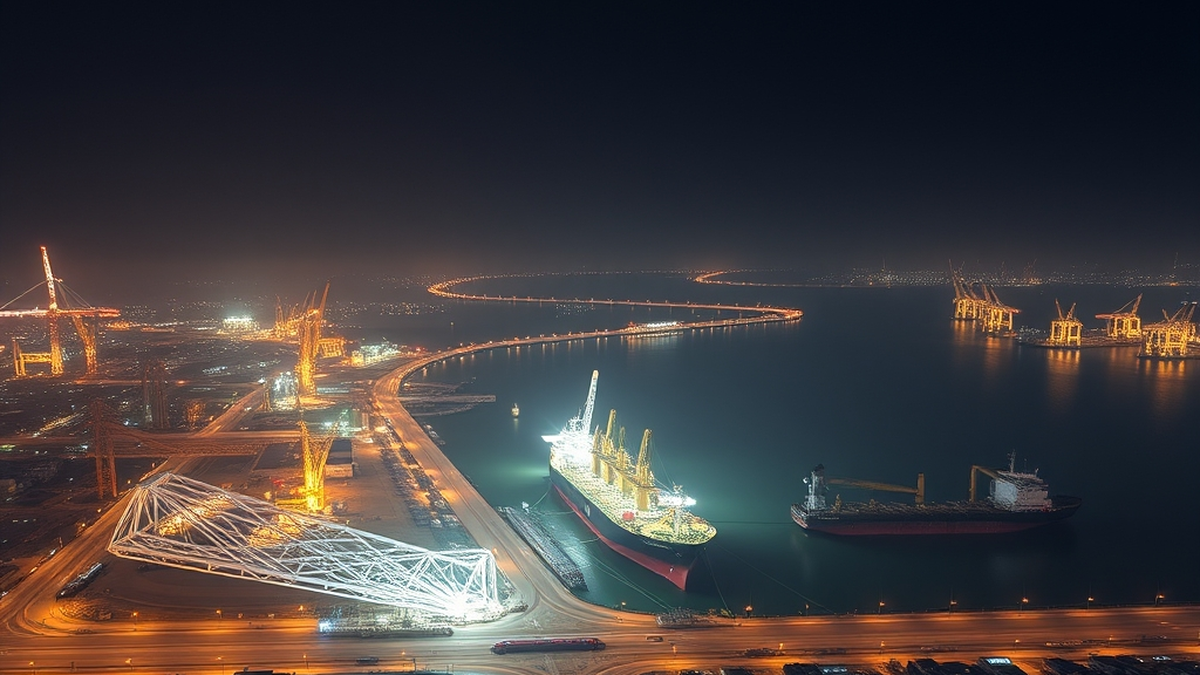
Qatar’s massive North Field expansion project, the largest of its kind in the history of the natural gas industry, has reached a series of critical milestones by mid-2026. Aimed at increasing the country’s liquefied natural gas (LNG) production capacity by over 60%, the expansion is solidifying Qatar’s position as the world’s leading and lowest-cost LNG exporter. In an era of global energy uncertainty and a rapid shift away from more carbon-intensive fossil fuels, Qatar’s increased supply is serving as a vital anchor for international energy security. The project’s success is also driving a broader industrial expansion within Qatar and is providing the long-term fiscal resources required for the country’s economic diversification goals.
The Scale of the North Field Expansion
The North Field expansion is divided into two main phases: North Field East (NFE) and North Field South (NFS). By 2026, the construction of several new ‘mega-trains’ for liquefaction is well underway, with the first production from the NFE phase expected shortly. These facilities utilize advanced carbon capture and storage (CCS) technology, aimed at making Qatari LNG among the world’s least carbon-intensive. The scale of the project is unprecedented, requiring the development of vast offshore production platforms, specialized pipelines, and the expansion of the world-class LNG export terminal at Ras Laffan. This massive investment is being carried out through partnerships between QatarEnergy and some of the world’s leading international energy firms.
Meeting Global Demand: Europe and Asia
The timing of Qatar’s LNG expansion is particularly significant given the structural shifts in global energy markets. By mid-2026, European nations, seeking to permanently reduce their reliance on Russian gas, have signed numerous long-term supply agreements with Qatar. These agreements provide Qatar with a stable and high-volume market for its increased production. Simultaneously, Qatar remains the primary supplier for the fast-growing economies of Asia, particularly China, India, and Japan. The ability of Qatar to offer a reliable and flexible supply of gas—which can be redirected between markets depending on demand—is a primary competitive advantage. Qatari LNG is seen as a ‘bridge fuel’ that is essential for facilitating the global energy transition.
Investments in the Global LNG Supply Chain
Qatar’s strategy involves not only increasing production but also expanding its influence across the entire global LNG supply chain. By 2026, QatarEnergy has significantly increased its fleet of LNG carriers, commissioning dozens of new, high-capacity vessels from leading shipyards. Furthermore, Qatar is investing in regasification infrastructure in key import markets, aimed at securing downstream market access. These strategic investments provide Qatar with greater control over the delivery of its gas and allow it to capture a larger share of the total value of the LNG trade. The country is also playing a leading role in the development of global LNG trading hubs and the standardization of gas contracts.
Industrial Diversification and Local Content
The North Field expansion is acting as a massive catalyst for Qatar’s domestic industrial sector. By mid-2026, the project has created thousands of high-quality jobs and has fostered the growth of a robust network of local service providers and manufacturers. The government’s ‘Tawteen’ program, aimed at increasing the local content of the energy sector, has been highly successful in encouraging domestic firms to meet international standards and to participate in the project’s complex supply chain. This focus on local content is fostering a more diverse and self-reliant industrial base, ensuring that the benefits of the LNG boom are shared broadly across the Qatari economy.
Fiscal Sustainability and the Qatar Investment Authority
The revenue generated from the North Field expansion is providing the fiscal foundation for Qatar’s long-term economic diversification. By 2026, a substantial portion of the LNG profits is being funneled into the Qatar Investment Authority (QIA), one of the world’s largest sovereign wealth funds. The QIA is utilizing these resources to invest in a wide range of global sectors, including technology, healthcare, and sustainable energy, aimed at securing the wealth of future generations. This strategic reinvestment of energy wealth is a key pillar of the Qatar National Vision 2030, ensuring that the country can maintain its high standard of living even in a post-hydrocarbon world.
Qatar’s LNG expansion represents a successful example of how a nation can leverage its natural resources to secure its place in the global economy. As the country continues to increase its production and to diversify its investments, its role as a global energy leader is being solidified. Emerging Markets Economy will continue to track the project and policy developments that define the future of Qatar’s LNG industry and its contribution to global energy security.