Saudi Arabia's Vision 2030: Industrial Diversification Progress
A mid-2026 assessment of Saudi Arabia's industrial transformation, focusing on non-oil manufacturing, renewables, and giga-project milestones.
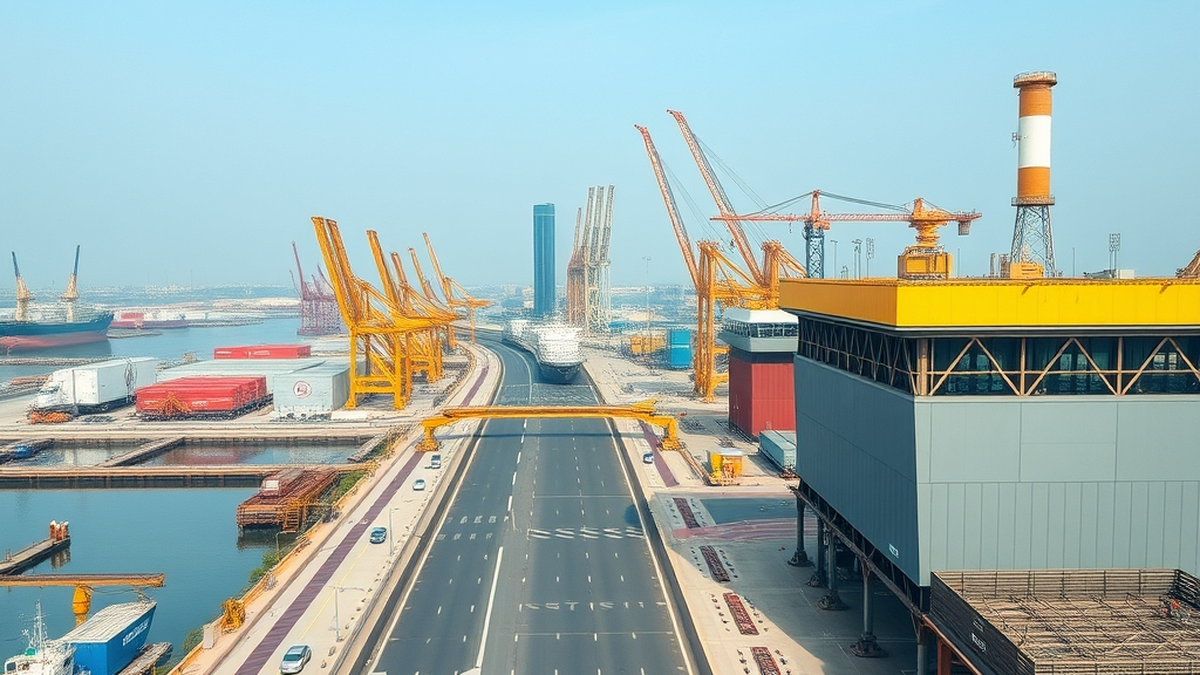
Saudi Arabia’s Vision 2030 initiative has reached a critical implementation phase by mid-2026, with the kingdom’s industrial diversification efforts showing tangible results beyond the oil and gas sector. The strategic pivot toward non-oil manufacturing, renewable energy, and advanced logistics is fundamentally altering the Saudi economic landscape. As the sovereign wealth fund, the Public Investment Fund (PIF), continues to spearhead massive ‘giga-projects’ like NEOM and the Red Sea Project, the kingdom is also successfully attracting significant foreign direct investment into specialized industrial zones. This transformation is aimed at insulating the economy from oil price volatility and creating a sustainable, technology-driven future for the Saudi workforce.
The Expansion of Non-Oil Manufacturing
Central to the diversification strategy is the expansion of the kingdom’s manufacturing base, particularly in the automotive, aerospace, and defense sectors. By 2026, Saudi Arabia has established several automotive manufacturing hubs, with significant investments from both global manufacturers and domestic entities. The launch of Ceer, the first Saudi electric vehicle brand, and the construction of Lucid Motors’ assembly plant have positioned the kingdom as an emerging player in the global EV market. These industrial clusters are supported by a robust local supply chain that provides high-quality components and materials. The government’s ‘Made in Saudi’ initiative has been instrumental in promoting domestic products and encouraging local firms to meet international standards, fostering a more self-reliant industrial ecosystem.
Renewable Energy and the Hydrogen Economy
Saudi Arabia is aggressively leveraging its natural advantages in solar and wind energy to become a global leader in the green energy transition. By 2026, the kingdom has significantly increased its renewable energy capacity, with large-scale solar parks and wind farms contributing a growing share of the national grid. Furthermore, Saudi Arabia is positioning itself as a primary exporter of green and blue hydrogen. The NEOM Green Hydrogen Project, the world’s largest utility-scale hydrogen plant, has begun operations, providing a clean fuel source for both domestic industrial use and international export. These investments are part of a broader strategy to diversify the energy mix and capitalize on the global shift toward decarbonization, ensuring that the kingdom remains a central energy hub in a post-oil world.
Logistics and the Red Sea Trade Corridor
The development of world-class logistics infrastructure is a key pillar of Vision 2030, aimed at transforming Saudi Arabia into a global logistics hub connecting three continents. By mid-2026, the modernization of ports along the Red Sea coast and the expansion of the kingdom’s railway and airport networks have significantly improved its transport efficiency. The King Abdullah Port, for instance, has seen a substantial increase in throughput, benefiting from its strategic location on one of the world’s busiest maritime trade routes. These infrastructure advancements are accompanied by regulatory reforms designed to streamline customs procedures and encourage private-sector participation in the logistics sector. The goal is to capture a larger share of the global transshipment market and facilitate the export of Saudi-manufactured goods.
Human Capital and Labor Market Reform
The success of Saudi Arabia’s industrial transformation depends heavily on the development of its human capital. By 2026, the kingdom has implemented comprehensive education and vocational training reforms aimed at equipping the Saudi youth with the skills required for the modern economy. The ‘Saudization’ policy, which encourages the employment of Saudi nationals in the private sector, has been refined to focus on high-skilled roles in technology, engineering, and management. Partnerships between the government, universities, and industrial firms have led to the creation of specialized training programs that align with the needs of emerging sectors. These efforts are fostering a more competitive and productive workforce, reducing the reliance on expatriate labor and ensuring the long-term sustainability of the diversification agenda.
Giga-Projects and Urban Transformation
The ‘giga-projects’ of Vision 2030 are serving as laboratories for future technologies and urban living. NEOM, the flagship project, has reached significant milestones by 2026, with the initial phases of ‘The Line’ and the Oxagon industrial city nearing completion. These projects are designed to attract global talent and investment, fostering innovation in areas like biotechnology, robotics, and smart city infrastructure. Beyond their technological impact, these giga-projects are also driving a broader urban transformation across the kingdom, with significant investments in public transport, housing, and leisure facilities. The aim is to create vibrant, livable cities that can compete globally for talent and capital, further reinforcing the kingdom’s status as a leading economic and cultural center in the Middle East.
Saudi Arabia’s progress toward its Vision 2030 goals represents one of the most ambitious economic transformations in modern history. While challenges remain in balancing rapid development with fiscal discipline, the kingdom’s commitment to industrial diversification and renewable energy is yielding significant results. Emerging Markets Economy will continue to monitor the milestones of this transformation as Saudi Arabia redefines its role in the global economy.