South Africa's Mining Sector: Policy Reforms and Challenges
A report on the legislative reforms aimed at revitalizing South Africa's mining industry and addressing long-standing energy and logistics bottlenecks.
South Africa’s mining sector, long the bedrock of the national economy, is undergoing a period of profound restructuring and reform by mid-2026. Faced with the dual challenges of a global energy transition and systemic domestic bottlenecks in power and logistics, the industry is pivoting toward critical minerals while aggressively adopting new technologies. The South African government has implemented several legislative reforms aimed at streamlining the licensing process and encouraging private-sector investment in exploration. While the sector continues to grapple with labor relations and social stability, the renewed focus on modernization and ESG (Environmental, Social, and Governance) standards is providing a foundation for long-term resilience.
The Pivot to Critical and Green Minerals
A defining trend in 2026 is the South African mining industry’s shift toward minerals essential for the global energy transition. While traditional exports like gold and coal remain significant, the focus of new investment has moved toward platinum group metals (PGMs), manganese, chrome, and vanadium. South Africa’s dominant position in the global supply of PGMs—essential for hydrogen fuel cells and catalytic converters—is being leveraged to attract high-value manufacturing and R&D. Furthermore, the exploration of lithium and other battery minerals is being prioritized, as the country seeks to capture a larger share of the burgeoning green technology value chain. This strategic realignment is seen as crucial for maintaining the sector’s relevance in a decarbonizing global economy.
Addressing Energy and Logistics Bottlenecks
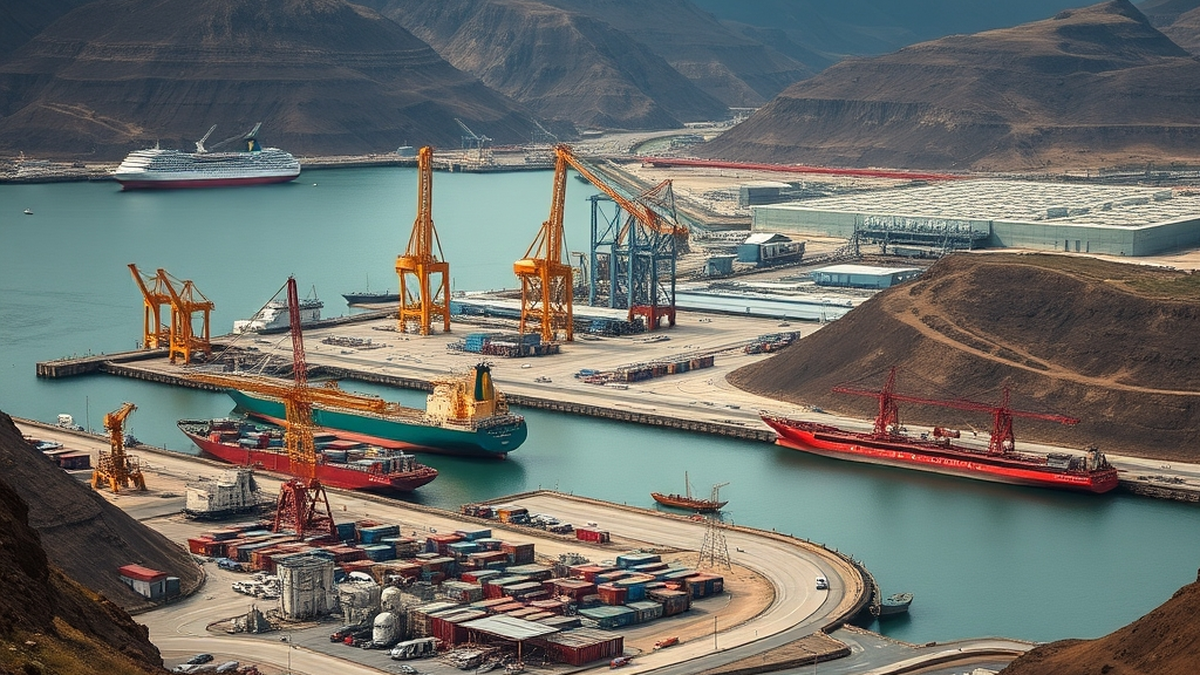
Systemic failures in the national power grid and the rail and port networks have historically been the greatest obstacles to South African mining. By mid-2026, the situation has begun to stabilize through a series of significant policy shifts. The liberalization of the energy market has allowed mining companies to develop their own utility-scale renewable energy projects, significantly reducing their reliance on the state-owned utility, Eskom. Furthermore, the introduction of private-sector participation in the management of key rail corridors and port terminals is improving the efficiency of mineral exports. While these reforms are in their early stages, they have already led to a measurable increase in the throughput of iron ore, coal, and manganese, providing a much-needed boost to the sector’s profitability.
Legislative Reform and the New Mining Cadastre
To attract new investment into exploration, the South African government has prioritized the modernization of its mining regulatory framework. The implementation of a new, transparent digital mining cadastre by early 2026 has been a milestone in this effort, significantly reducing the backlog of prospecting and mining rights applications. This system provides investors with clear, real-time information on land availability and ownership, reducing the administrative burden and the potential for corruption. Simultaneously, the government is working to provide greater policy certainty regarding black economic empowerment (BEE) requirements and community engagement. These legislative improvements are aimed at restoring South Africa’s attractiveness as a destination for global mining capital.
Technology, Automation, and Worker Safety
The South African mining industry is increasingly turning to technology to improve productivity and safety in its deep-level mines. By 2026, the adoption of autonomous drilling, remote-controlled machinery, and advanced data analytics has become standard practice among the major mining houses. These technologies not only allow for more efficient extraction but also significantly reduce the exposure of workers to hazardous underground environments. However, the shift toward automation also raises complex questions regarding the future of labor in a sector that has traditionally been a major employer of low-skilled workers. The industry is responding through large-scale reskilling programs and by fostering a more collaborative approach to labor relations that emphasizes shared value and safety.
ESG Standards and Community Engagement
ESG standards have moved from a compliance requirement to a strategic necessity for South African mining firms. By 2026, companies are under intense pressure from international investors and local communities to demonstrate their commitment to environmental restoration and social development. This is reflected in the increased investment in water conservation, tailings management, and community-led infrastructure projects. The industry’s ability to secure a ‘social license to operate’ is now inextricably linked to its ESG performance. Meaningful engagement with mining-affected communities, particularly regarding land use and economic participation, is essential for maintaining social stability and preventing the localized unrest that has plagued the sector in the past.
South Africa’s mining sector remains a vital, albeit complex, component of the national and global economy. The transition toward critical minerals and the adoption of modern technology and ESG standards represent a path toward renewed competitiveness. Emerging Markets Economy will continue to track the policy reforms and industrial shifts that shape the future of South African mining in a rapidly changing global landscape.