Turkey as an Energy Hub: Natural Gas Pipeline Developments
An examination of Turkey's growing role as a critical energy bridge between Central Asia and Europe, featuring the latest pipeline and storage projects.
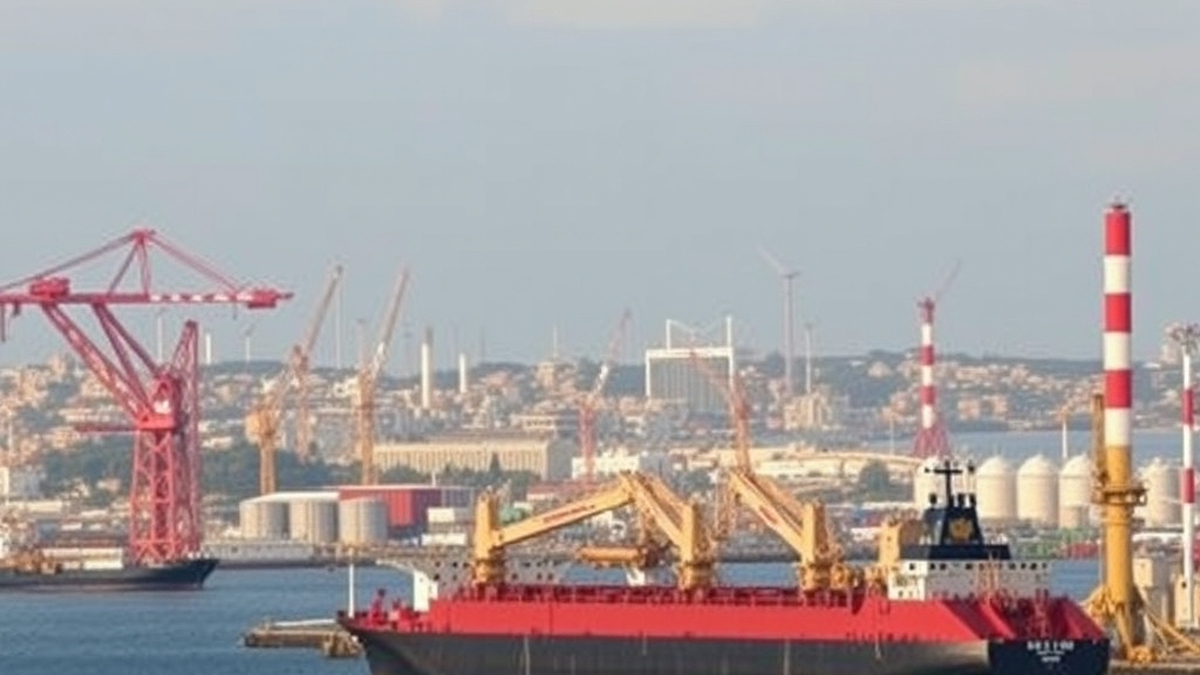
Turkey’s long-standing ambition to become a central energy hub connecting the massive gas reserves of Central Asia and the Middle East with the high-demand markets of Europe has reached a new level of reality by mid-2026. Through a combination of strategic pipeline expansions, the development of massive liquefied natural gas (LNG) infrastructure, and the discovery of significant domestic offshore gas fields, Turkey has established itself as an indispensable energy bridge. This role is not only a source of economic revenue through transit fees but also a significant geopolitical asset, providing Turkey with increased leverage in both regional and international affairs.
The Expansion of the Southern Gas Corridor
The Southern Gas Corridor (SGC) remains the backbone of Turkey’s energy hub strategy. By 2026, the capacity of the Trans-Anatolian Natural Gas Pipeline (TANAP) has been significantly expanded to handle increased volumes of gas from Azerbaijan’s Caspian fields. Furthermore, Turkey is actively negotiating to integrate Turkmen gas into the SGC, a move that would significantly enhance the security and diversity of gas supply to Europe. The successful completion of various interconnectors between Turkey and its neighbors, particularly Bulgaria and Greece, has created a flexible and resilient network that can facilitate the flow of gas in multiple directions. This infrastructure allows Turkey to act as a physical and virtual balancing point for the regional energy market.
LNG Infrastructure and Storage Capacity
Recognizing the need for flexibility in the global energy market, Turkey has invested heavily in LNG regasification and storage infrastructure. By 2026, the country operates several floating storage and regasification units (FSRUs) along its Aegean and Mediterranean coasts, allowing it to import LNG from a wide range of global suppliers, including the United States, Qatar, and Algeria. This LNG capacity provides a vital buffer against pipeline disruptions and allows Turkey to capitalize on price differentials in the global market. Simultaneously, Turkey has significantly expanded its underground natural gas storage facilities in Silivri and Lake Tuz, creating one of the largest storage capacities in the region. This ability to store large volumes of gas is essential for managing seasonal demand fluctuations and ensuring national energy security.
The Impact of Sakarya Gas Field Development
The discovery and rapid development of the Sakarya gas field in the Black Sea has been a game-changer for Turkey’s energy landscape. By mid-2026, the field has reached a significant production plateau, meeting a substantial portion of Turkey’s domestic gas demand and reducing its reliance on expensive imports. The technical success of bringing the Sakarya field online ahead of schedule has bolstered Turkey’s reputation in the global energy industry. The revenue generated from domestic production is being reinvested into further offshore exploration and the development of the infrastructure required to integrate Black Sea gas into the national and regional networks. This domestic supply provides Turkey with greater bargaining power in its long-term gas contracts with external suppliers.
Geopolitical Implications and Energy Diplomacy
Turkey’s role as an energy hub is inextricably linked to its broader geopolitical objectives. By 2026, ‘energy diplomacy’ has become a central tool of Turkish foreign policy. The ability to facilitate or restrict the flow of energy to Europe provides Ankara with significant diplomatic weight in its relations with Brussels and Washington. Simultaneously, Turkey’s position as a transit country for Russian and Central Asian gas requires a delicate balancing act in its relations with Moscow and the Turkic states. Turkey has successfully navigated these complex dynamics by positioning itself as a ‘neutral’ and reliable energy corridor that prioritizes regional energy security. This strategy has helped to attract international investment into Turkey’s energy infrastructure and has solidified its status as a key regional player.
Future Prospects: The Hydrogen and Renewables Bridge
Looking ahead, Turkey is also positioning itself to become a bridge for the energy transition. By 2026, there are ongoing studies and pilot projects aimed at blending green hydrogen into existing natural gas pipelines for export to Europe. Turkey’s massive potential for solar and wind energy production makes it a natural candidate for becoming a major green hydrogen producer. The goal is to leverage Turkey’s existing pipeline network and its strategic location to facilitate the flow of clean energy in the same way it currently does for fossil fuels. This forward-looking strategy ensures that Turkey remains a central node in the global energy map, regardless of the shift toward decarbonization.
Turkey’s emergence as a comprehensive energy hub is the result of decades of strategic investment and diplomatic maneuvering. As the global energy landscape continues to evolve, Turkey’s role as a bridge between supply and demand remains a vital component of international energy security. Emerging Markets Economy will continue to analyze the infrastructure and policy shifts that define Turkey’s trajectory as a global energy powerhouse.