UAE's Logistics Expansion: Port Investments Across Africa
An examination of DP World and AD Ports' strategic investments in African maritime infrastructure and their impact on continental trade corridors.
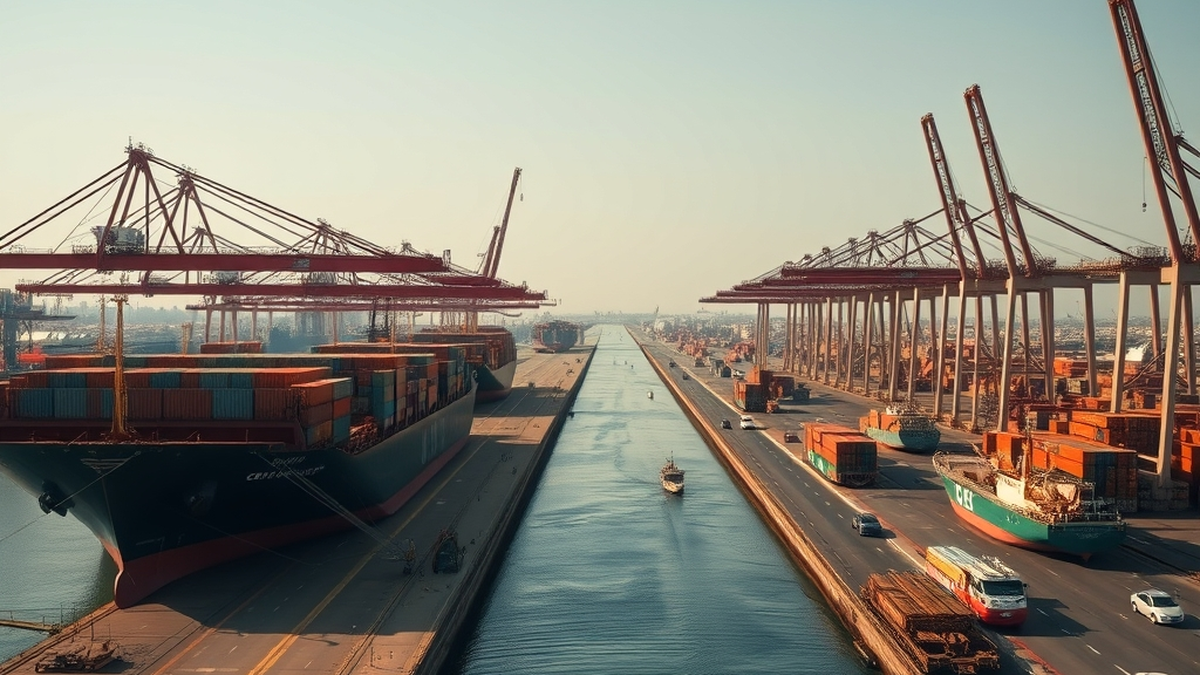
The United Arab Emirates (UAE) has solidified its position as a dominant force in African logistics by mid-2026, through a series of massive strategic investments in port infrastructure and transport corridors across the continent. Led by global giants like DP World and AD Ports Group, the UAE is leveraging its expertise in maritime management and logistics technology to modernize African trade gateways. These investments are not only aimed at capturing the growth potential of African markets but are also part of a broader strategy to secure the UAE’s role as the primary hub for trade between Africa, Asia, and Europe. This expansion is fundamentally altering the logistics landscape of the continent and fostering greater regional economic integration.
Strategic Port Investments: From East to West
The UAE’s logistics footprint in Africa now spans from the Red Sea to the Atlantic coast. By 2026, DP World has significantly expanded its operations in key hubs like Berbera in Somaliland, Dakar in Senegal, and Luanda in Angola. These projects involve the construction of modern container terminals, the implementation of automated cargo handling systems, and the development of integrated logistics zones. Simultaneously, AD Ports Group has secured major agreements for the management and development of ports in Egypt, Congo, and Tanzania. These investments are focused on increasing port capacity, reducing turnaround times, and improving the overall efficiency of African maritime trade. The goal is to transform these ports into world-class facilities that can handle the largest modern container vessels.
Developing Integrated Trade Corridors
The UAE’s strategy in Africa goes beyond port management to the development of integrated trade corridors that connect maritime gateways with the continental interior. By mid-2026, DP World and AD Ports are increasingly investing in ‘dry ports,’ railway links, and highway projects to facilitate the movement of goods across borders. These corridors are designed to reduce the cost and time of transport for landlocked African nations and to foster the growth of regional industrial clusters. The integration of logistics services with digital platforms for customs clearance and cargo tracking is a key feature of these corridors, providing a more transparent and efficient environment for international traders. This ‘end-to-end’ logistics approach is essential for unlocking the full potential of the African Continental Free Trade Area (AfCFTA).
Technology Transfer and Digitalization
A defining feature of the UAE’s logistics expansion in Africa is the transfer of advanced technology and management expertise. By 2026, African ports managed by UAE firms are utilizing sophisticated terminal operating systems and AI-driven logistics platforms developed in Dubai and Abu Dhabi. This digitalization is helping to reduce corruption, improve security, and enhance the overall productivity of the African logistics sector. Furthermore, the UAE is providing training and skills development for thousands of African logistics professionals, fostering a new generation of expertise in maritime operations and supply chain management. This focus on technology and human capital is creating a long-term competitive advantage for the ports and corridors within the UAE’s African network.
Geopolitical Influence and Economic Diplomacy
The UAE’s logistics investments are a central pillar of its economic diplomacy in Africa. By 2026, these projects have provided the UAE with significant diplomatic weight and have fostered close economic ties with numerous African governments. The ability to provide world-class infrastructure and capital is seen as a key differentiator for the UAE in its competition with other global powers for influence on the continent. These investments are often accompanied by broader economic cooperation agreements in areas like energy, agriculture, and finance. The UAE’s role as a reliable and long-term partner in African development is helping to secure its strategic interests and to create new opportunities for UAE-based firms across the continent.
Impact on African Trade and Integration
The overall impact of the UAE’s logistics expansion on African trade is profound. By mid-2026, the modernization of ports and corridors has led to a measurable reduction in the cost of doing business in Africa and has improved the continent’s connectivity with the global market. This is facilitating the export of African commodities and manufactured goods and is lowering the price of essential imports. Furthermore, the development of integrated logistics networks is a catalyst for regional economic integration, encouraging intra-African trade and the development of regional value chains. While challenges remain in terms of regulatory harmonization and political stability, the UAE’s investments are providing the essential ‘physical’ infrastructure required for Africa’s long-term economic transformation.
The UAE’s strategic logistics expansion in Africa represents a major shift in the global trade map. By building and managing the continent’s primary trade gateways, the UAE is securing its position as an indispensable partner in Africa’s economic future. Emerging Markets Economy will continue to monitor the port and infrastructure developments that define the UAE’s growing influence in African logistics.